

How clean is the water at the beach you've visited?
Between the tides, who keeps watch over the sea?
You might find the answer here.
At the Zhoushan Archipelago Marine Monitoring Base,
a major upgrade in water testing has quietly taken place.
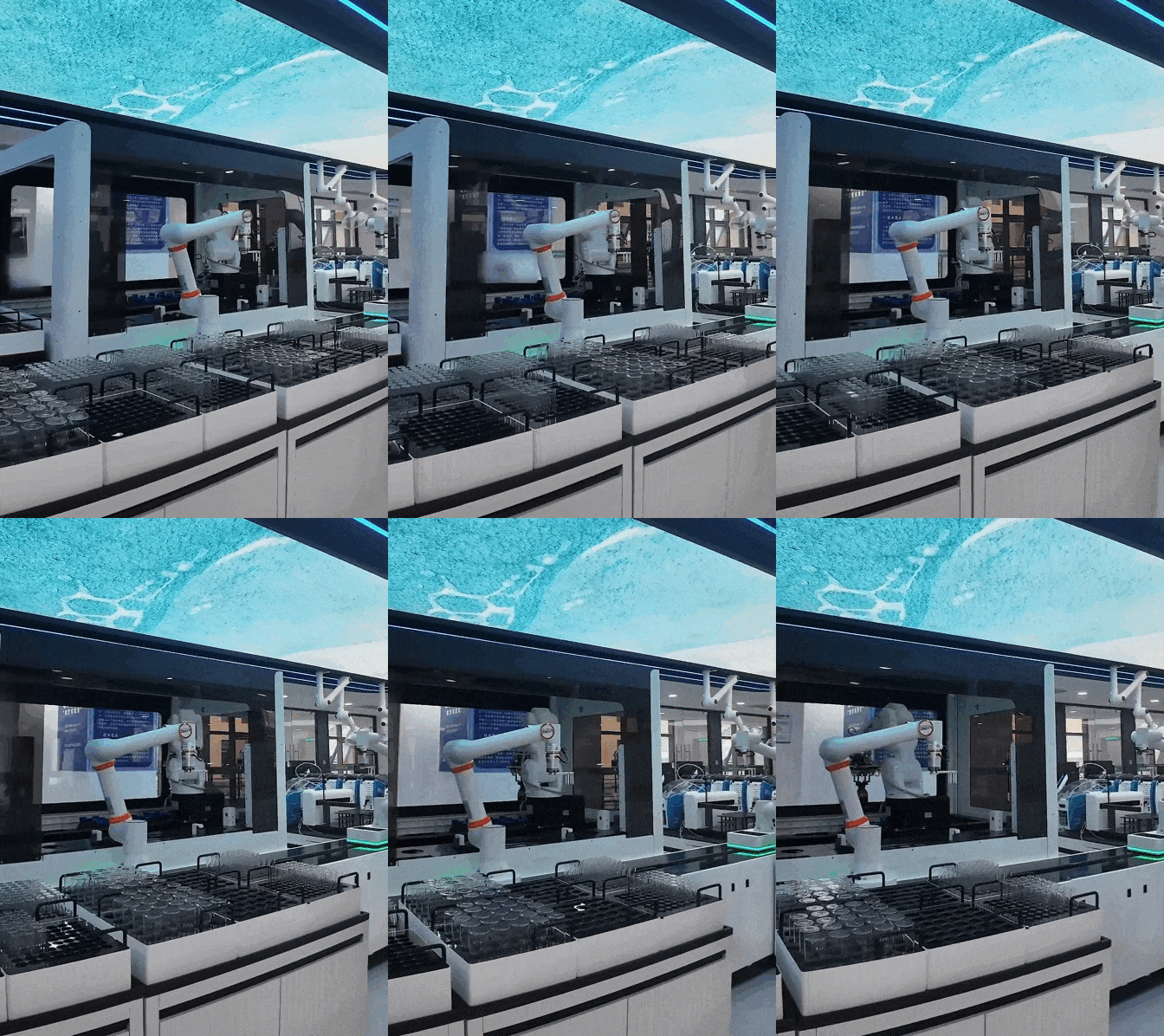
China's first in the national ecological and environmental monitoring system —
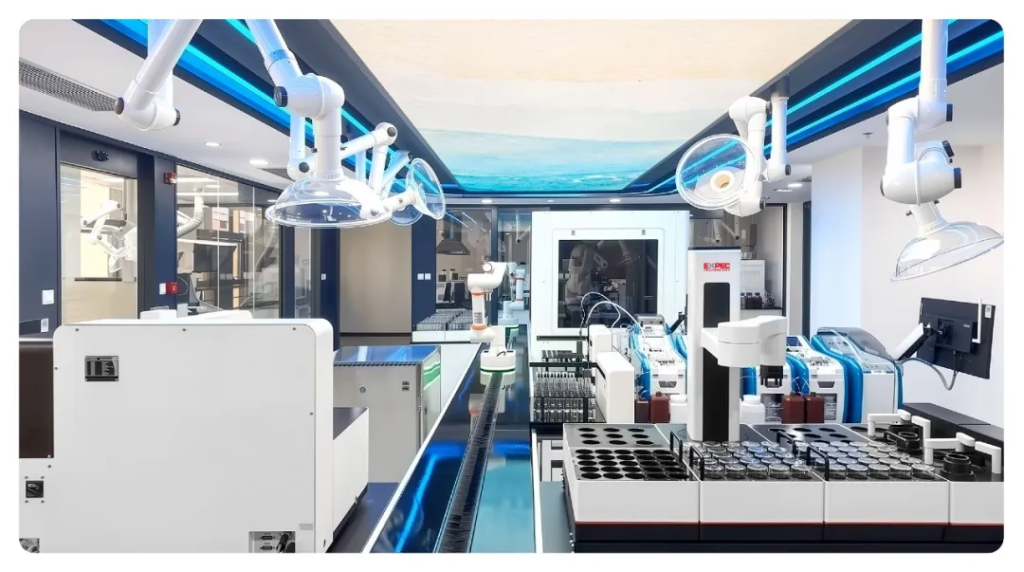
a "Lights-Out Laboratory" capable of automatically analyzing both surface water and seawater — has officially launched.
People can leave. The testing goes on.
This isn't science fiction. It's happening right now.
What is a "Lights-Out Laboratory"?
Robotic arms precisely retrieve samples.
Track-mounted robots shuttle samples for testing.
Instruments analyze automatically, and data uploads in real time.
Fully unmanned — yet perfectly orchestrated.
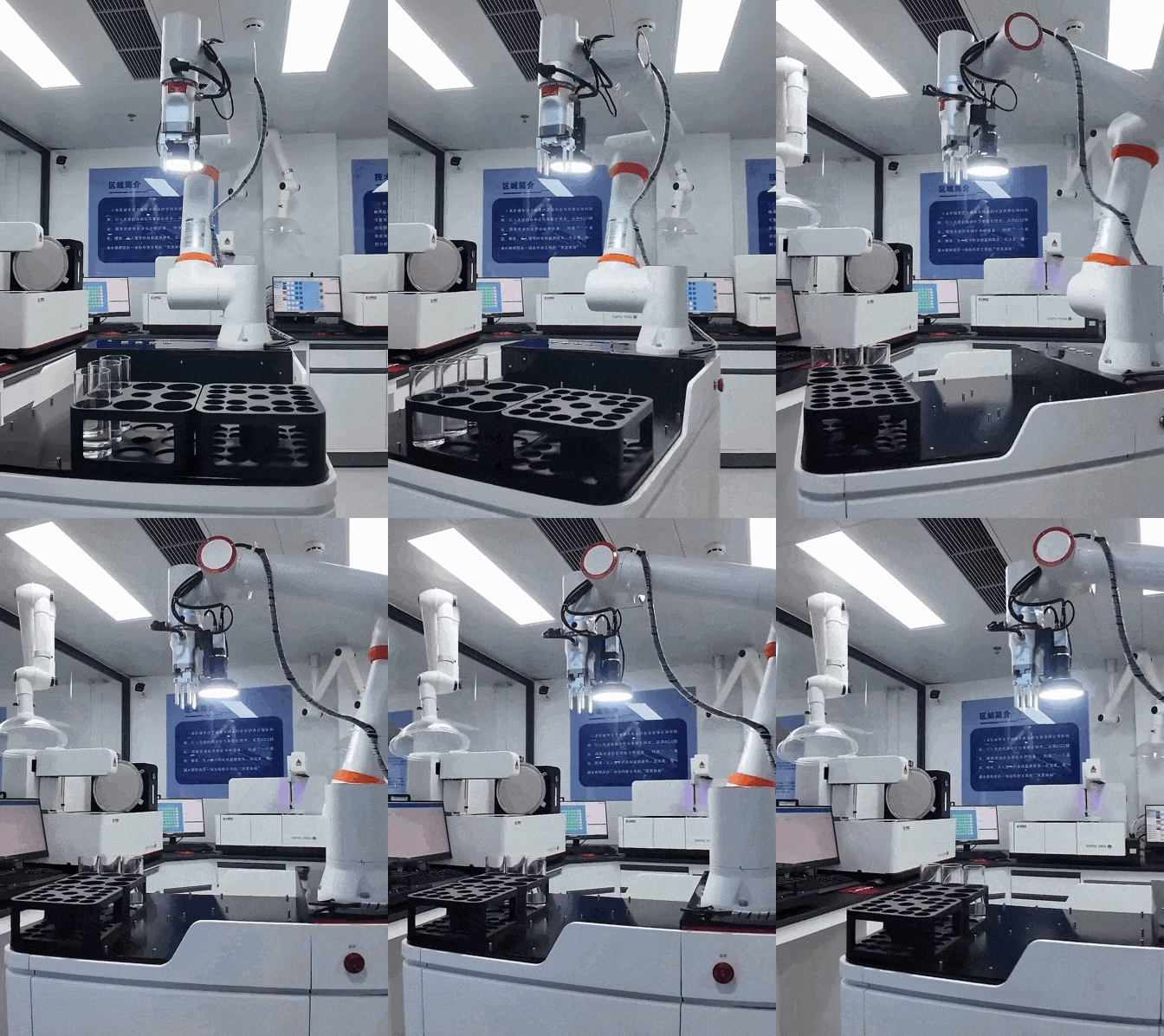
In a word: a shift from "people operating instruments" to "systems running experiments."
What monitoring challenges does it solve?
The difficulty lies in the fact that seawater and surface water differ in sample matrix, detection methods, quality control, and analytical workflows.
Making a single system handle both reliably is far more than just placing equipment side by side.
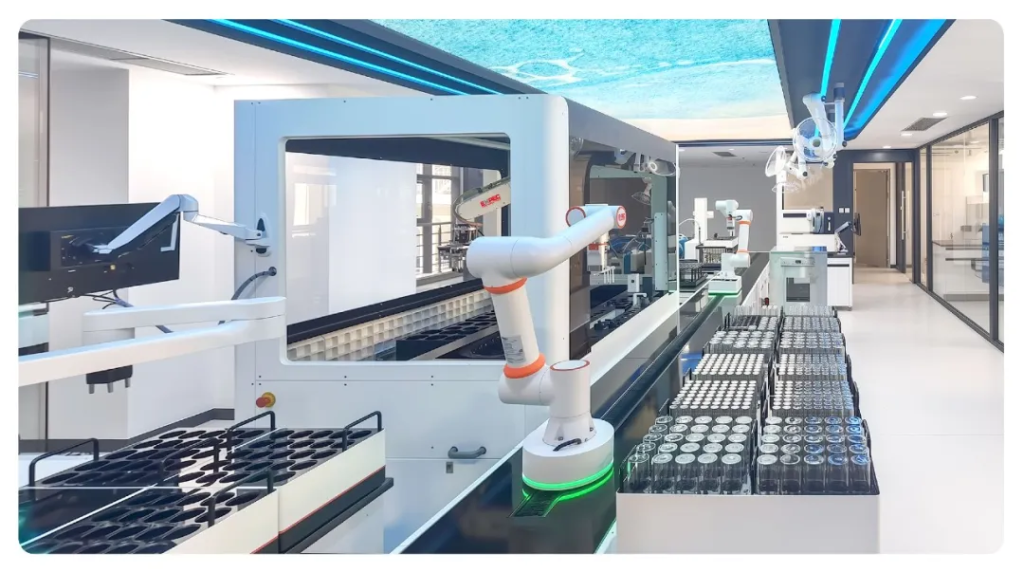
In the past, they had to be tested separately — different methods, different standards, fragmented processes.
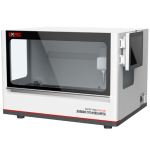
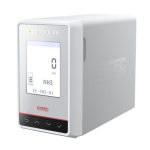
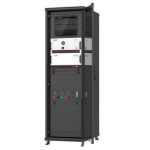
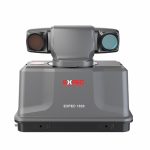
Now, this system developed by EXPEC Technology brings sample transfer, pre-treatment, instrumental analysis, data upload, and quality control into one unified platform.
In just 180 square meters, it can automatically detect:
16 seawater parameters + 19 surface water parameters
— land and sea, all in one pass.
What makes the "Lights-Out Laboratory" stand out?
Less manpower: 24/7 unmanned operation
Broader coverage: seawater and surface water tested together
Fewer errors: human error minimized at the source
More reliable data: accurate, precise, comprehensive, fast, and current
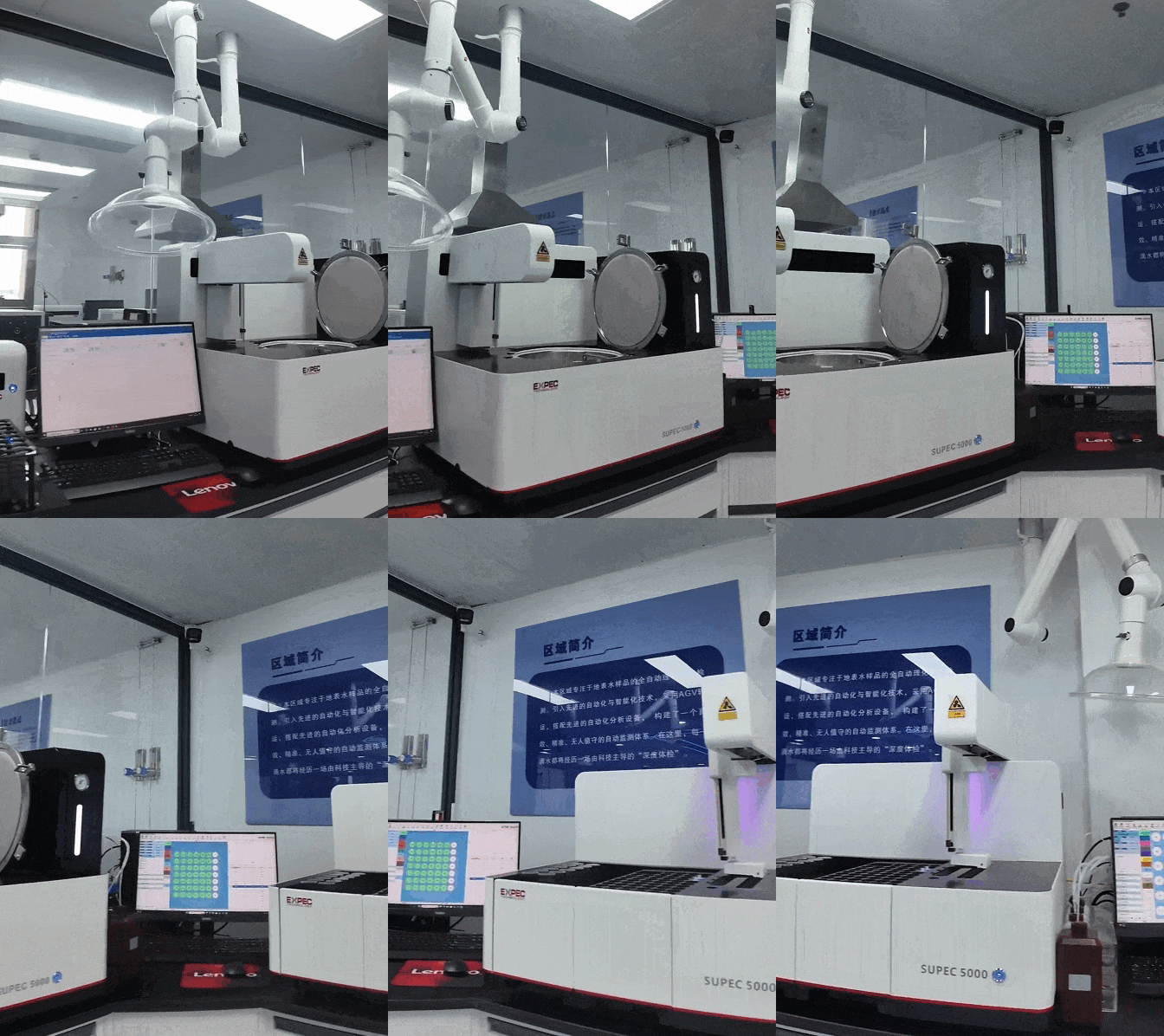
This is not merely an automation upgrade for a laboratory. It also represents a system-level integration of domestically produced high-end scientific instruments, automated control, intelligent scheduling, and environmental monitoring capabilities.
Why does it matter to everyone?
Zhoushan is a popular tourist destination known for its island scenery. Water quality directly affects every resident and visitor.
With this "Lights-Out Laboratory":
Water quality changes are detected faster
Marine ecological risks such as red tides are identified earlier
Monitoring data is measured accurately, made visible, and managed effectively
Enjoying the sea becomes a safer, more reassuring experience.
From automation to intelligence.
From "people operating instruments" to "systems running experiments."
The "Lights-Out Laboratory" is driving innovation in how ecological and environmental monitoring is carried out.
