Chat Online

Products

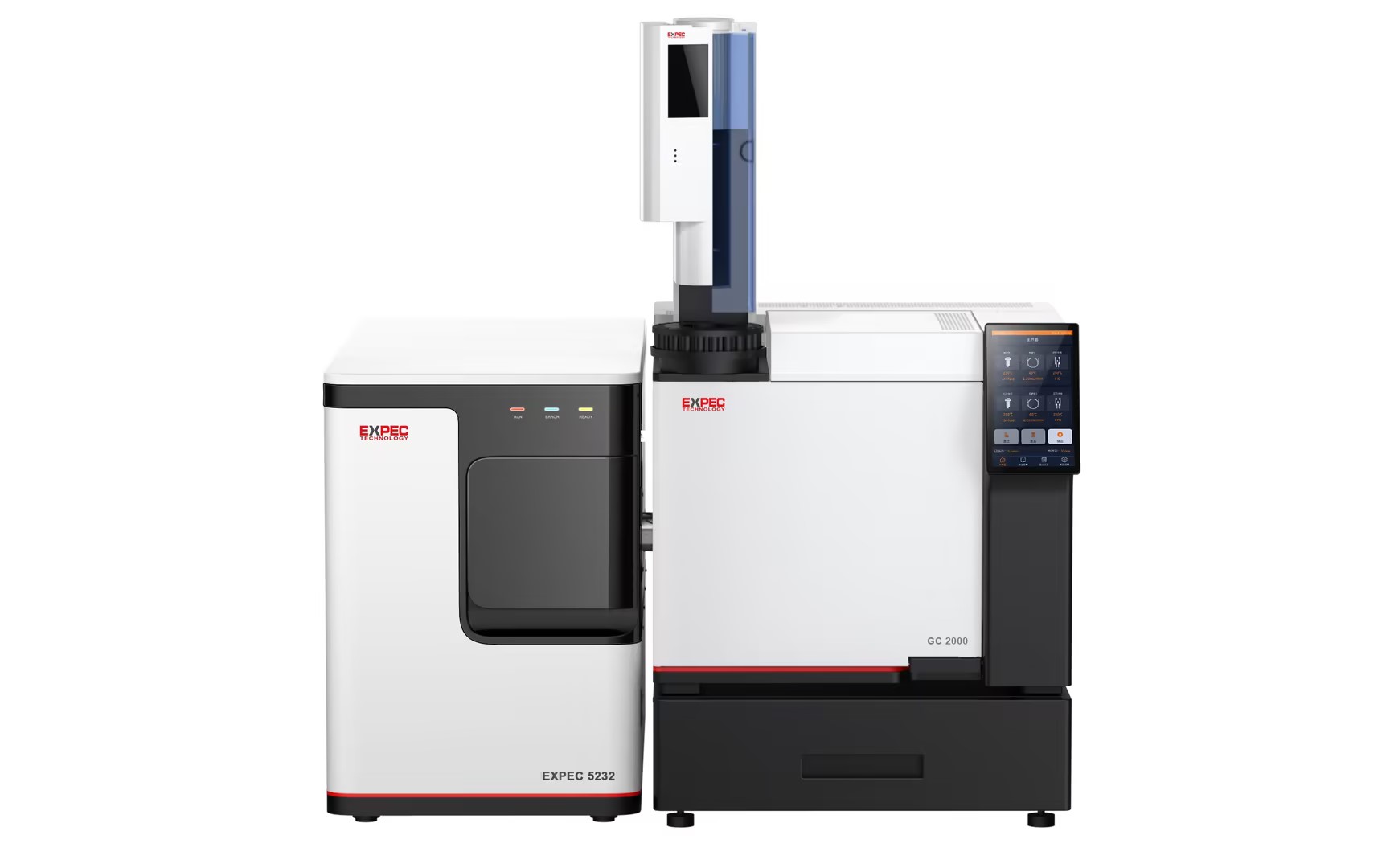
EXPEC 5232

The new-generation GC-MS/MS technology innovates and improves performance


  • Newly designed high-efficiency ionization source
  • Excellent sensitivity
  • Excellent stability
  • Mass Expert workstation

Overview

The EXPEC 5232 is a new generation product in the GC-MS/MS series. It is equipped with a high-sensitivity HEI ion source, an ultra-inert EI ion source, and a CI ion source. Combined with unique inlet temperature control technology, precise gas path control technology, ultra-inert flow path design, and a newly upgraded circuit control system, it significantly improves the instrument's sensitivity, stability, applicability, and ease of maintenance.

It is fully applicable to fields such as pesticide residues, food safety, industrial manufacturing, petrochemicals, environmental monitoring, and clinical medicine, fully meeting the cutting-edge analytical needs of scientific research and contributing to the improvement of new productivity and scientific discovery.

Features

Mass Spectrometer Technology Innovation
·New anti-contamination quadrupole mass analyzer
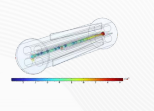
·Low crosstalk, high efficiency and stable collision pool

·High-performance long-life detector system
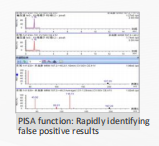
·Intelligent MRM analysis mode
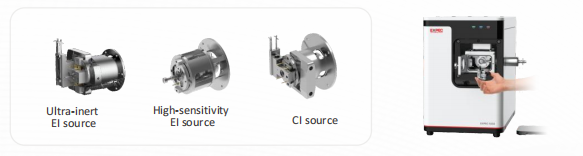
·A comprehensive and efficient ionization source
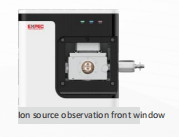
·Convenient and intelligent diagnostic design
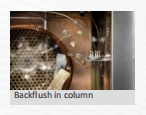
·Adapted to high-efficiency chromatographic expansion technology
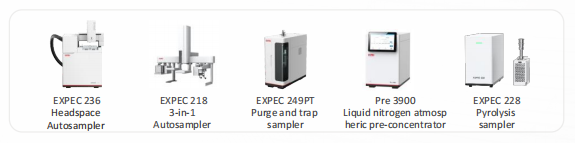
·A wide range of sample introduction systems

Gas Chromatography Technology Innovation
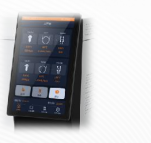
·Large color touch screen interface
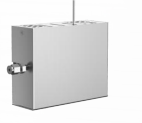
·Precise electronic pneumatic control
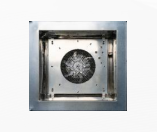
·Column oven
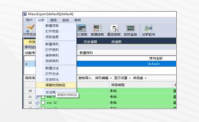
·Powerful precise control function
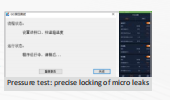
·Intelligent online monitoring system
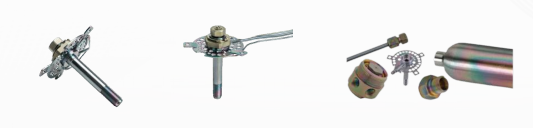
·Ultra-inert inlet

Specifications and Parameters

ParameterSpecification
WORKING ENVIRONMENT
Temperature18–25 °C
Humidity20–60% RH
Power Supplyfive sets of single-phase (220±20)VAC,10A ,50Hz power supply
GAS CHROMATOGRAPH — COLUMN OVEN
Max. Operating Temperature450 °C
Heating RateMax. 120 °C/min; typical 50 °C/min
Programmed Heating32 steps / 33 stages; reproducibility better than 0.5 %
Temperature Control AccuracyWithin ±0.1 °C
Capillary Column CapacityUp to 3 columns
SPLIT / SPLITLESS INLET
Max. Operating Temperature450 °C
Flow Control0–500 mL/min (N₂); 0–1250 mL/min (He)
Pressure Control0–100 psi (689.5 kPa)
Control Accuracy±0.001 psi; pulse pressure injection is possible
Operation ModeSplit, splitless, pulse split, pulse splitless
PROGRAMMABLE ELECTRONIC GAS CIRCUIT CONTROL
ChannelsUp to 18 channels of electronic pressure/flow control
Touch Screen≥8 -inch high-resolution full-color capacitive ; resolution 1280 (RGB)*720,color depth 16.7M,pixel pitch (mm)0.138 *0.138,built-in intelligent operating system
CompensationAutomatic atmospheric pressure & temperature compensation
MaterialNon-metallic, low expansion coefficient
AUTOMATIC SAMPLE INJECTOR
Vial CapacitySupport 160 -bit automatic sampler
Injection Volume0.1–250 μL
Sampling Accuracy±0.01%
Injection PrecisionRSD <0.5%
THREE-IN-ONE AUTOMATIC SAMPLER (OPTIONAL)
Liquid Injection — Vial Capacity2mL sample bottle capacity:126 or more
Liquid Injection — NeedleStandard 10 μL injection needle
Headspace — Gas-tight Needle1.0–5.0 mL optional
Headspace — Needle Heating30–150 °C, adjustable in ±0.1 °C increments
Headspace — Vial Capacity≥45 positions (10/20 mL), expandable to >180 digits
Headspace — Incubation Heater6 positions; 30–200 °C; 250–750 rpm oscillation
SPME — Extraction Temperature30–210 °C, adjustable in ±0.1 °C increments
SPME — Oscillation Rate0–1600 rpm, adjustable in ±1 rpm increments
SPME — Extraction MethodsArrow-shaped & fiber extraction head compatible
SPME — Extraction Time RangeUp to 999 min, 1 s increment
SPME — Aging Temperature30–350 °C
MASS SPECTROMETRY — ION SOURCE
EI Ion SourceDouble filaments, symmetrical placement; ionization energy 10–300 eV; heating 150–350 °C; front-opening for easy cleaning
CI Ion SourceSingle filament; ionization energy 10–300 eV; heating 50–350 °C; front-opening for easy cleaning
GC-MS Interface Temperature50–400 °C (non-cold-spot heating technology)
ION OPTICAL SYSTEM
Ion TransmissionNo extra transmission rods; ions enter quadrupole directly, minimizing ion loss
MASS ANALYZER (TRIPLE QUADRUPOLE)
Analyzer TypeTriple quadrupole
Quadrupole MaterialQuartz gold-plated hyperbolic or molybdenum gold-plated micro-curved quadrupole
Collision CellHexapole with axial acceleration; eliminates ion pair crosstalk; curved design not accepted
Collision GasHigh-purity nitrogen (purity ≥99.999%)
Resolution0.4–2.0 amu adjustable
Mass Stability<±0.05 amu / 24 hours
Scan SpeedUp to 25,000 amu/s
MRM Channels500 channels/second
m/z RangeEI: 5–1100 amu; CI: 5–1100 amu
Sensitivity — EI MRMS/N ≥20,000:1 (1 μL of 100 fg/μL of OFN)
Sensitivity — PCI MRMS/N ≥500 (10 pg of benzophenone)
Sensitivity — NCI MRMS/N ≥1000 (10 pg of OFN)
Scan ModesFull Scan, SIM, Product Ion, Precursor Ion, Neutral Loss, MRM
DETECTOR
Type90° off-axis electron multiplier; no positive/negative ion discrimination
Counting ModePulse counting for high reproducibility at low concentrations
Vacuum SystemMechanical pump + turbomolecular pump; differential pumping with auto power-off protection
WORKSTATION SOFTWARE
OS CompatibilityWindows 7 and above
Core FunctionsGC & MS control; data processing; report editing; auto quantitation; spectrum library search
Status PanelDisplays ion source temp., repeller/extractor voltage, lens voltage, quadrupole voltage, detector voltage, circuit board voltage
Offline AnalysisGC-MS/MS software installable on separate PC for offline data processing
Databases>1,000 pesticides; >200 environmental pollutants; >500 drugs; >300 public security/judicial
NIST Spectral LibraryOptional; ≥220,000 images
Software FootprintWorkstation ≤1 GB; acquisition & analysis software independently installable
Upgrade PathUpgradeable to LC-GC-MS/MS

Industry Typical Applications

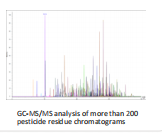
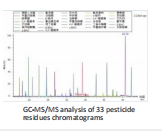
·Detection of multiple pesticide residues in food
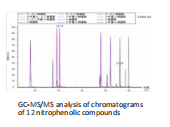
·Detection of nitrophenolic compounds in water quality
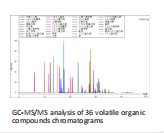
·Detection of organic matter in soil
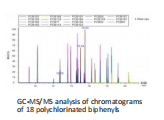
·Detection of polychlorinated biphenyls in water quality
·Detection of banned pesticide residues in Chinese medicinal materials
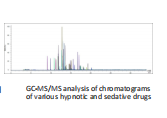
·Detection of hypnotic and sedative drugs in biological samples
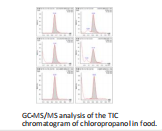
·Detection of chloropropanol in edible oils
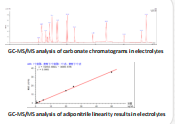
·Detection of carbonate solvents in electrolytes
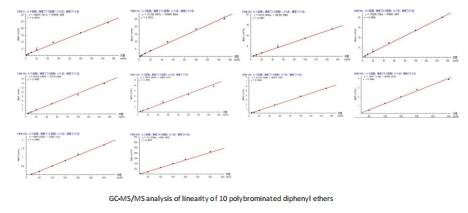
·Detection of polybrominated diphenyl ethers in water products
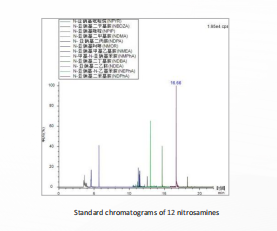
·Detection of nitrosamines in cosmetics
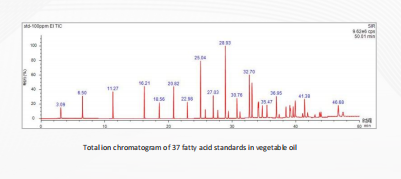
·Detection of 37 fatty acids in vegetable oils

Application

Get in Touch
Welcome to contact us! If you have any questions or concerns, please feel free to leave a message right side.
We will reply as soon as possible and do our best to assist you. Your feedback is very important to us, and we hope to hear your voice.
Thank you for your attention!